What integrated TCM and physio care involves
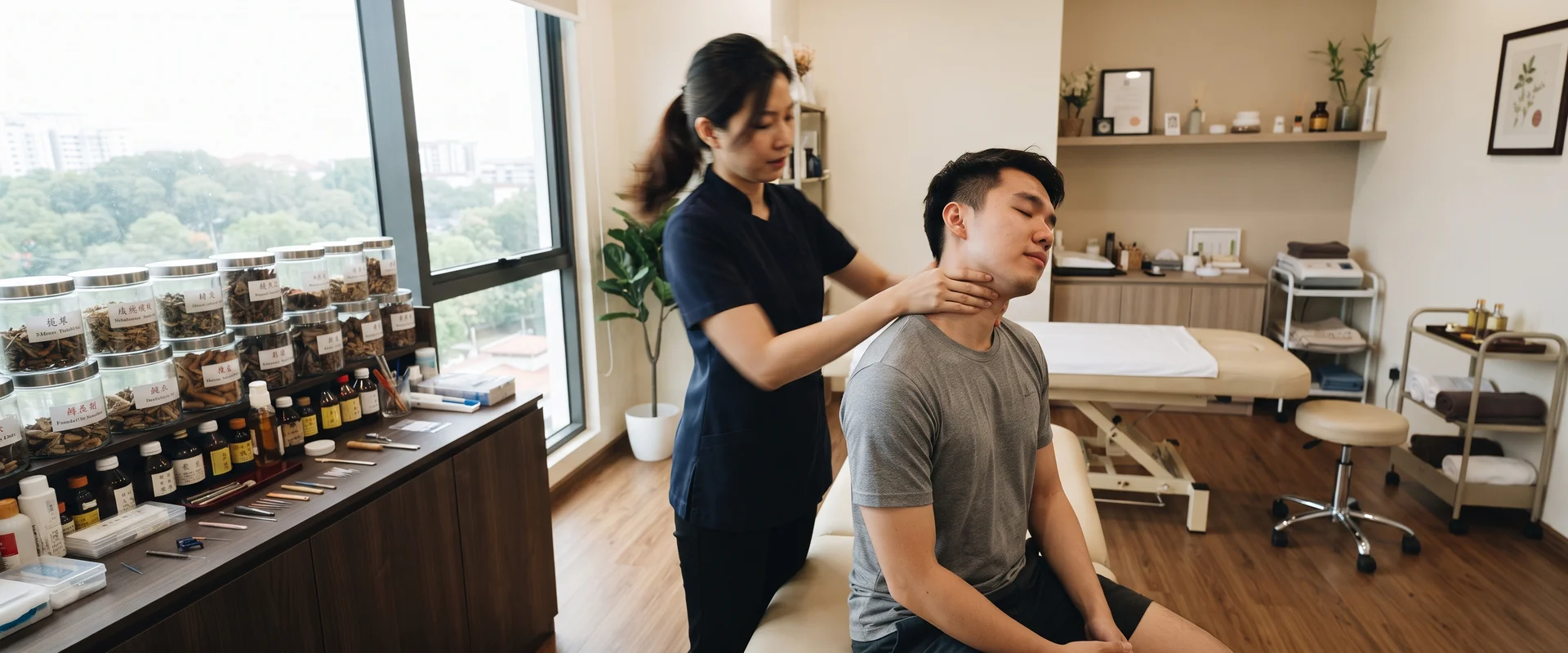
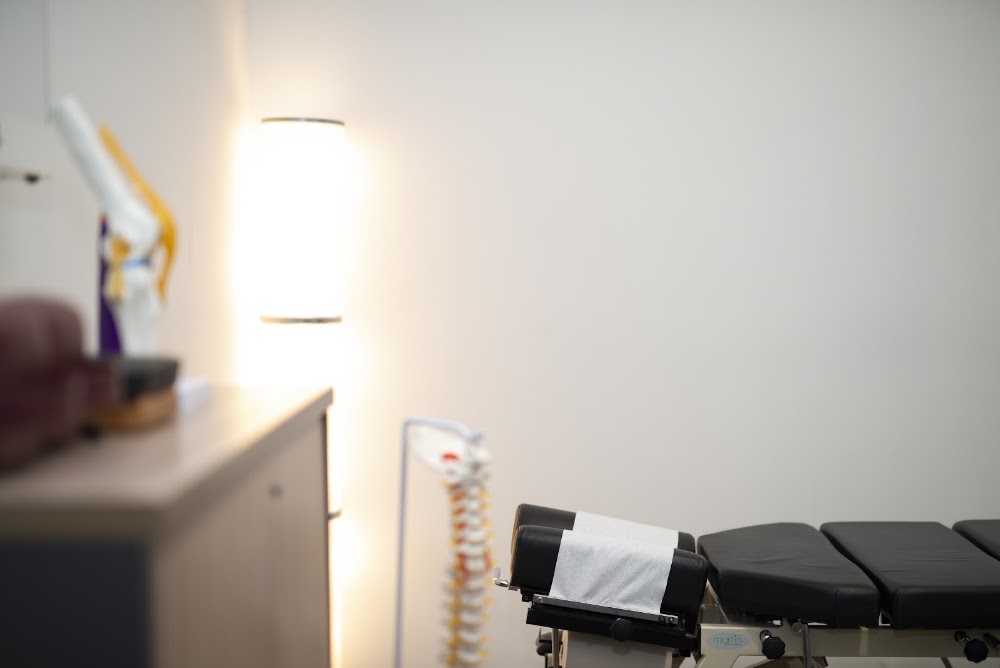
These clinics combine traditional Chinese medicine (acupuncture, tuina massage, cupping, sometimes herbal advice) with physiotherapy methods such as exercise rehabilitation, manual therapy and electrotherapy. The idea is simple: ease pain with one approach, then rebuild strength and movement with the other. People usually come for neck and back pain, shoulder stiffness, sports strains or recovery after injury.
What to look for
- Registered practitioners: physiotherapists should hold a valid Malaysian registration, and TCM practitioners should be registered with the relevant authority.
- A proper assessment: a good first visit includes history, movement testing and a written plan, not just a treatment bed.
- Clear coordination: ask who plans the care and whether both practitioners share notes.
- Hygiene: single-use needles and clean treatment rooms.
- Exercise content: relief alone is short-lived; look for home exercises and progress checks.
How our scoring helps
We cover 25 clinics in this category. Each is scored on the same criteria, so you can compare them side by side instead of relying on a single star rating. See the ranked guide to the best integrated clinics in Subang Jaya for the results, and read how we score for the details.